What is Insulin Resistance?
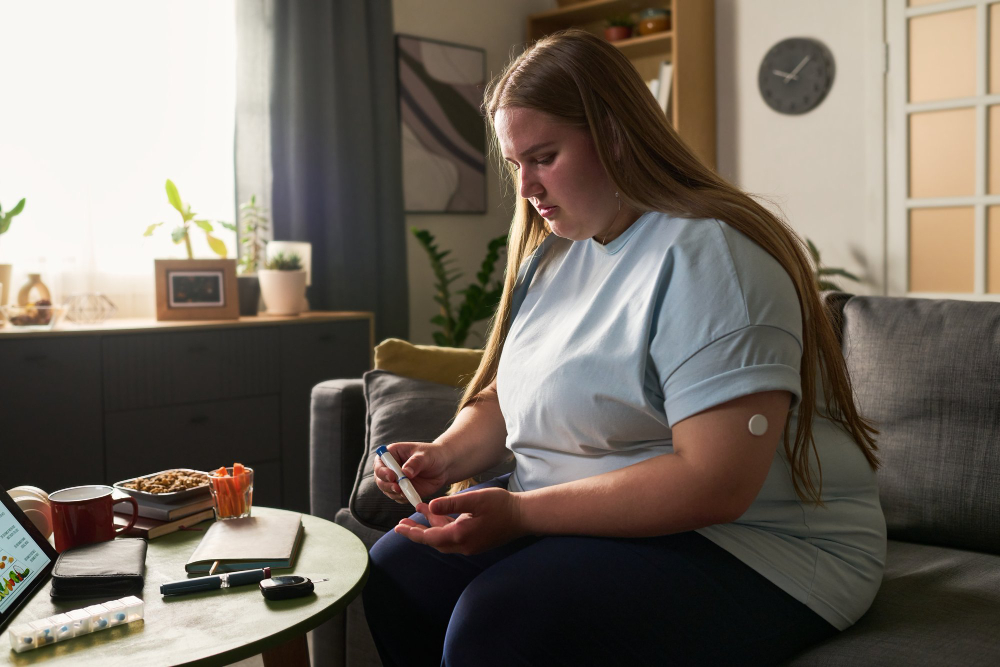
Insulin resistance happens when your body does not respond well to insulin. Insulin is a hormone that helps move sugar from your blood into your cells. When your cells resist insulin, your blood sugar rises. Over time, this can lead to type 2 diabetes. According to the Centers for Disease Control and Prevention (CDC), insulin resistance is common and can affect people of all ages. In many cases, people do not know they have it. For this reason, learning about insulin resistance and its early signs is very important.
Why Early Detection Matters
Early detection of insulin resistance can help you avoid serious health problems. For example, catching it early can prevent type 2 diabetes and heart disease. In addition, early treatment can help you feel better and stay healthy. When you notice the early signs of insulin resistance, you can make changes that protect your health. The World Health Organization (WHO) notes that early action can reduce the risk of long-term damage.
Early Signs and Symptoms of Insulin Resistance
Many people do not notice symptoms at first. However, some early signs of insulin resistance can appear. If you notice these symptoms, it is wise to talk to your doctor:
Sometimes, these symptoms are mild. Yet, they can be early signs of insulin resistance. Paying attention to these changes can help you act sooner.
Common Causes and Risk Factors
Several things can cause insulin resistance. Some risk factors are out of your control, but others can be managed. For instance, you may be at higher risk if you:
Additionally, some medicines and health problems can increase your risk. Knowing these risk factors can help you focus on preventing insulin resistance.
How Insulin Resistance is Diagnosed
Doctors use simple blood tests to check for insulin resistance. For example, they may measure your fasting blood sugar, insulin levels, or a test called HbA1c. Sometimes, a doctor will order an oral glucose tolerance test. This test checks how your body handles sugar after you drink a sweet liquid. If your results are high, it may mean you have insulin resistance. Your doctor will explain what your test results mean and what steps to take next.
Treatment Options and Lifestyle Changes
Treating insulin resistance often starts with lifestyle changes. These changes can help your body use insulin better. For instance, you can:
In some cases, your doctor may suggest medicine to help control your blood sugar. However, healthy habits are often the first step. The CDC and WHO both recommend these lifestyle changes for preventing insulin resistance and related health problems.
Prevention Tips for Insulin Resistance
Preventing insulin resistance is possible for many people. Even small changes can make a big difference. To lower your risk, try these tips:
By following these steps, you can help protect yourself from insulin resistance and its health risks. Remember, early action is key to staying healthy.
Conclusion
If you notice early signs of insulin resistance, do not wait. Book a consultation with Dr. Shashwath Shetty to discuss your concerns and get personalized advice for your health.