Living with diabetes can feel overwhelming at times. However, knowing the do’s and don’ts for people living with diabetes can make daily life easier. With the right habits, you can help keep your blood sugar steady and lower your risk of complications. This guide covers healthy habits for diabetics, foods to avoid with diabetes, and tips for managing diabetes daily. All advice is based on trusted sources like the CDC and WHO.
Understanding Diabetes
First, it helps to know what diabetes is. Diabetes is a condition where your body has trouble controlling blood sugar. Because of this, sugar builds up in your blood. There are two main types: type 1 and type 2. Type 1 means your body does not make insulin. Type 2 means your body does not use insulin well. Insulin is a hormone that helps sugar enter your cells. Without good control, diabetes can harm your heart, eyes, kidneys, and nerves. Still, with healthy habits, you can live well with diabetes.
Why Daily Habits Matter
Everyday choices play a big role in managing diabetes daily. For example, what you eat, how much you move, and when you take medicine all affect your blood sugar. Even small changes can make a big difference. According to the CDC, sticking to a routine helps keep your blood sugar in a safe range. As a result, you may feel better and have more energy.
Do’s for People Living With Diabetes
There are many healthy habits for diabetics that support good health. Try to include these do’s in your daily routine:
Eat balanced meals with whole grains, lean protein, and plenty of vegetables.
Choose foods high in fiber, such as beans, nuts, and fresh fruits.
Drink water instead of sugary drinks. This helps control blood sugar.
Exercise most days, even if it is just a short walk. Physical activity helps lower blood sugar.
Take your diabetes medicine as your doctor prescribes. Never skip doses.
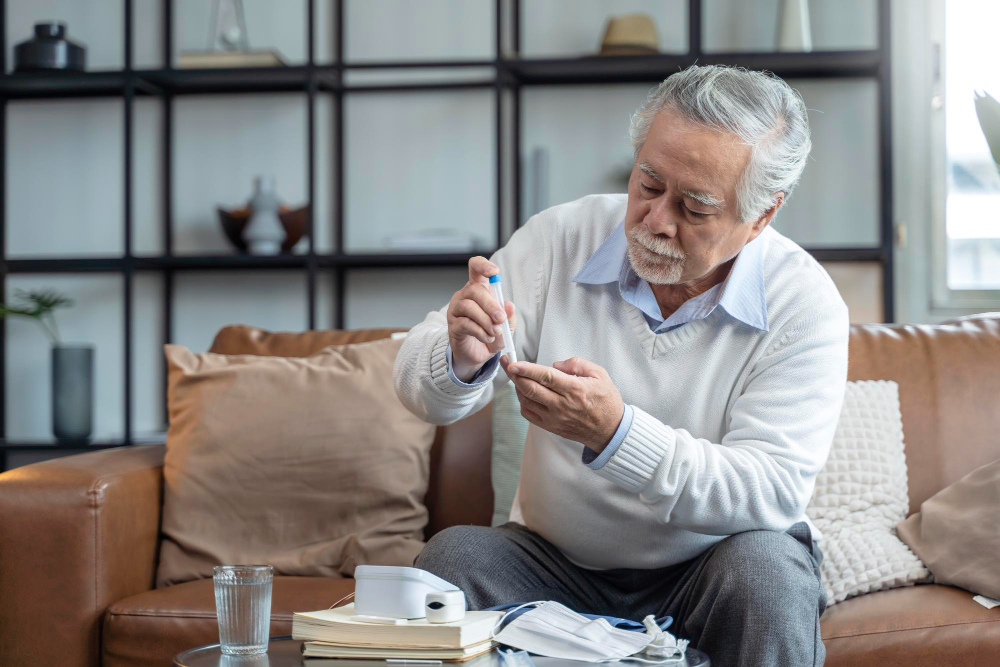
Check your blood sugar as often as your care team suggests. This helps you spot changes early.
Keep a record of your blood sugar numbers. This can help your doctor adjust your plan.
Eat meals and snacks at regular times each day. This helps avoid blood sugar swings.
Carry a healthy snack in case your blood sugar drops.
Talk with your doctor if you have questions or notice changes in your health.
Don’ts for People Living With Diabetes
Some habits and foods can make diabetes harder to control. Try to avoid these common mistakes:
Do not skip meals. Skipping meals can cause your blood sugar to drop too low.
Avoid foods high in sugar, such as candy, soda, and desserts.
Limit foods made with white flour, like white bread and pastries.
Do not eat large portions. Instead, use smaller plates to help control how much you eat.
Stay away from fried foods and foods high in unhealthy fats.
Do not ignore signs of low or high blood sugar, such as feeling shaky or very thirsty.
Do not stop taking your medicine without talking to your doctor.
Avoid smoking and limit alcohol, as both can make diabetes harder to manage.
Do not forget to check your feet daily for cuts or sores.
Never share your diabetes supplies with others.
Tips for Managing Diabetes in Daily Life
Managing diabetes daily is about more than just food and medicine. For example, stress, sleep, and regular check-ups all play a part. Here are some tips to help you stay on track:
Practice stress management, such as deep breathing or gentle stretching.
Try to get 7 to 9 hours of sleep each night. Good sleep helps your body use insulin better.
Set reminders for medicine, meals, and blood sugar checks.
Visit your doctor for regular check-ups, even if you feel well.
Ask your care team about support groups or diabetes education classes.
Let friends and family know how they can help you manage your diabetes.
Prevention of Diabetes Complications
Keeping your body healthy helps prevent problems from diabetes. For instance, foot care, eye health, and heart protection are very important. The CDC and WHO suggest these steps:
Check your feet every day for cuts, blisters, or swelling. Even small sores can become serious.
Wear comfortable shoes and socks to protect your feet.
See an eye doctor once a year to check for changes in your vision.
Keep your blood pressure and cholesterol in a healthy range. This protects your heart and blood vessels.
Eat heart-healthy foods, such as fish, nuts, and leafy greens.
Consult Dr. Shashwath Shetty if you notice any new symptoms, such as chest pain or blurry vision.